The Quiet Edge of Lofoten: Arctic Light and Reclaimed Cabins
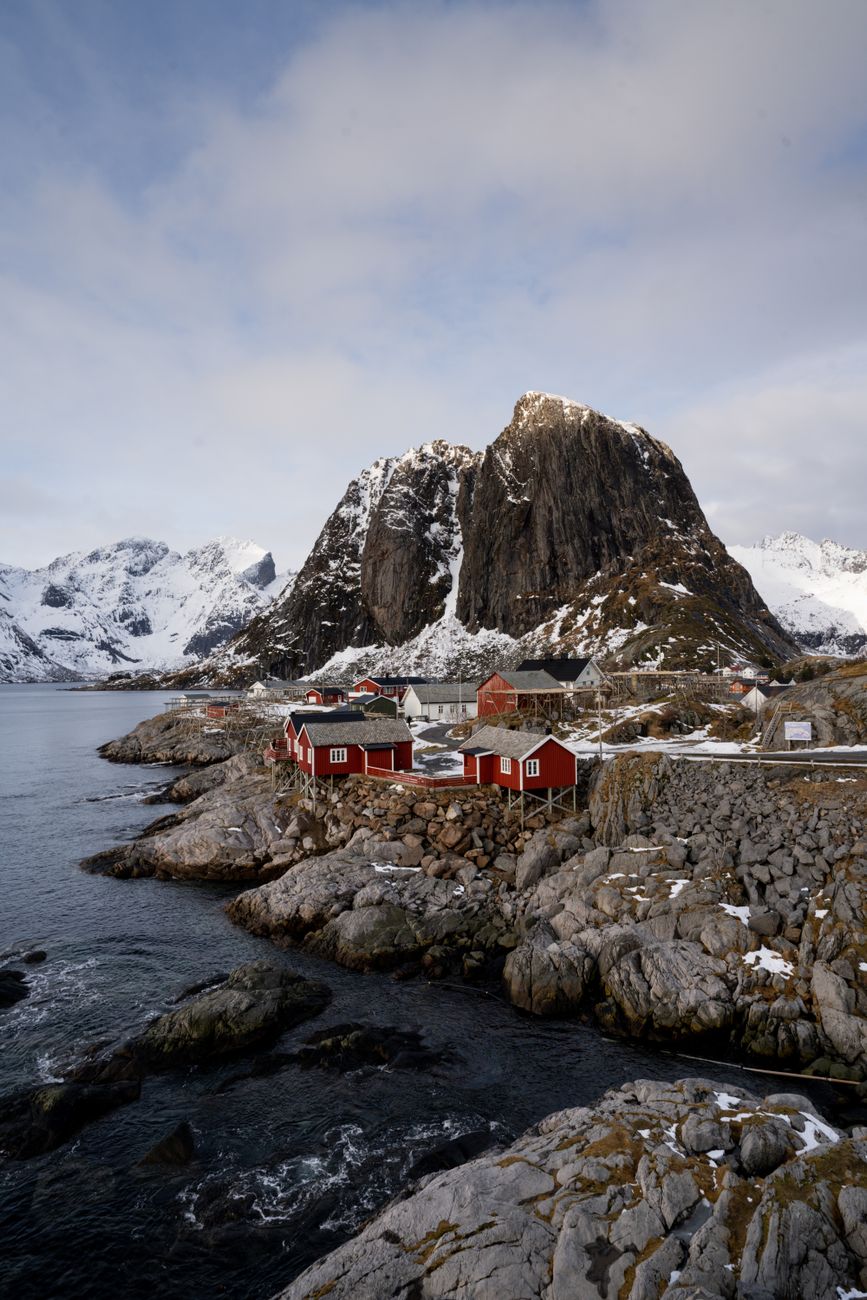
To cross the Vestfjorden in late autumn is to witness daylight disintegrate into shades of cold slate and violet. Here, north of the Arctic Circle, the archipelago known as Lofoten rises from the Atlantic like a dragon's spine, sharp granite monoliths plunging directly into churning turquoise surf.
For centuries, fishermen erected simple stilted cabins called rorbuer. Painted in oxblood red—historically the cheapest paint made from cod liver oil and mineral pigments—these modest wooden shelters stood against fierce storms while preserving warmth. Today, an intentional movement of Scandinavian architects is breathing quiet life into these structures.
“We didn't design the building to conquer the wind; we shaped the roofline so the wind could slide harmlessly past.”
Silence as an Amenity
In modern luxury travel, abundance has often been equated with excess. Lofoten reverses this paradigm entirely. The true privilege here is acoustic emptiness. Outside, the rhythmic sweep of wind against cedar shingles; inside, sheepskin throws, local pine joinery, and a cast-iron stove warming the room with birchwood logs.
Walking along the rocky shores of Reine or Nusfjord at dusk, one encounters no commercial billboards or tour convoys. Instead, the smell of drying salt-stockfish hangs faintly in the crisp air, mingling with the scent of wild kelp and ozone.
Field Notes for the Mindful Voyager
- • Optimal Season: Late September through November offers fewer travelers, moody polar skies, and the earliest dancing ribbons of aurora borealis.
- • Dining: Reserve an intimate meal at local harbor outposts serving fresh Arctic cod tongue and cloudberries pickled in sea salt.
- • Respect: Keep to designated footpaths to protect fragile sub-arctic lichen and tundra mosses.
When night settles, total blackness overtakes the coastline. For the traveler accustomed to urban luminescence, this darkness is not frightening; it is restorative, grounding the mind in planetary scales of time and geology.